






Are you looking for a diabetes-friendly meal plan that is practical for everyday life—one that helps you understand what to eat and how much to eat, prevents rapid blood sugar spikes, yet still ensures adequate nutrition without strict or burdensome restrictions?
This article provides a 7-day sample meal plan with clearly defined portions and the glycemic index (GI) of each dish, offering a safe and reliable framework to help you choose and maintain balanced daily meals.
7-Day Meal Plan for People with Diabetes
| Monday | |||
| Breakfast | Lunch | Dinner | |
| Meal Plan | 40 g whole rolled oats (dry) + 250 ml water (GI ≈ 55) Apple (100 g) (GI ≈ 36) | 100 g brown rice (GI = 50) 120 g steamed fish (GI = 0) 150 g boiled vegetables (GI < 15) 250 ml vegetable soup (very low GI) | 120 g boiled chicken breast (GI ≈ 0) 200 g green salad (GI < 15) 100 g boiled sweet potato (GI ≈ 44) (GI ≈ 44) |
| Meal GL | ≈ 16 | ≈ 14 | ≈ 11 |
| Tuesday | |||
| Breakfast | Lunch | Dinner | |
| Meal plan | 40 g whole-grain bread (GI ≈ 60) 1 boiled egg (GI = 0) 100 g green vegetables (GI < 15) | 100 g white rice (GI ≈ 64) 100 g lightly braised lean meat (GI = 0) 250 ml winter melon soup (GI ≈ 15) 150 g lightly stir-fried vegetables with minimal oil (GI < 15) | 120 g braised fish (GI = 0) 200 g boiled vegetables (GI < 15) 80 g cooked fresh rice noodles (GI ≈ 60) |
| Meal GL | ≈ 13 | ≈ 20 | ≈ 14 |
| Wednesday | |||
| Breakfast | Lunch | Dinner | |
| Meal plan | 250 ml unsweetened milk (GI ≈ 30) 120 g pear (GI ≈ 38) | 100 g brown rice (GI ≈ 50) 120 g stir-fried beef (GI = 0) 150 g stir-fried vegetables with meat (GI < 15) 250 ml seaweed soup (very low GI) | 150 g steamed tofu (GI ≈ 15) 200 g green vegetables (GI < 15) 80 g boiled sweet potato (GI ≈ 44) |
| GL bữa ăn | ≈ 10 | ≈ 15 | ≈ 9 |
| Thursday | |||
| Breakfast | Lunch | Dinner | |
| Meal plan | 250 g rice noodles with chicken (chicken pho, plenty of vegetables) (GI ≈ 55–60) | 90 g white rice (GI ≈ 64) 120 g braised fish (GI = 0) 250 ml sponge gourd soup (low GI) 150 g boiled vegetables (GI < 15) | 120 g boiled chicken breast (GI = 0) 200 g green salad (GI < 15) 30 g whole-grain bread (GI ≈ 60) |
| Meal GL | ≈ 18 | ≈ 17 | ≈ 10 |
| Friday | |||
| Breakfast | Lunch | Dinner | |
| Meal plan | 40 g thin oatmeal porridge (GI ≈ 55) 1 boiled egg (GI = 0) | 100 g brown rice (GI ≈ 50) 100 g lean pork (GI = 0) 150 g stir-fried vegetables (GI < 15) 250 ml vegetable soup (very low GI) | 120 g steamed fish (GI = 0) 200 g boiled vegetables (GI < 15) 100 g tofu (GI ≈ 15) |
| Meal GL | ≈ 12 | ≈ 14 | ≈ 6 |
| Saturday | |||
| Breakfast | Lunch | Dinner | |
| Meal plan | 40 g whole-grain bread (GI ≈ 60) 10 g unsweetened peanut butter (GI ≈ 25) | 100 g white rice (GI ≈ 64) 120 g stir-fried beef (GI = 0) 150 g vegetable salad (GI < 15) 250 ml vegetable soup (very low GI) | 250 ml tofu soup (low GI) 200 g green vegetables (GI < 15) 80 g boiled sweet potato (GI ≈ 44) |
| Meal GL | ≈ 11 | ≈ 18 | ≈ 9 |
| Sunday | |||
| Breakfast | Lunch | Dinner | |
| Meal plan | 40 g whole rolled oats (GI ≈ 55) 200 ml unsweetened milk (GI ≈ 30) 100 g low-sugar fruit (GI ≈ 35–40) | 100 g brown rice (GI ≈ 50) 120 g braised fish (GI = 0) 250 ml lightly seasoned sour soup (low GI) 150 g boiled vegetables (GI < 15) | 120 g steamed chicken (GI = 0) 200 g green vegetables (GI < 15) 70 g cooked rice noodles / pho (GI ≈ 60) |
| Meal GL | ≈ 15 | ≈ 14 | ≈ 12 |
What should people with diabetes keep in mind when planning daily meals?
Prioritize foods with a low to moderate glycemic index (GI)
These foods help blood sugar rise more slowly after meals, reducing the burden on the body’s glucose control mechanisms.
Examples:
- Brown rice (GI ≈ 50) instead of white rice (GI ≈ 64)
- Boiled sweet potatoes (GI ≈ 44) instead of fried potatoes (GI ≈ 75)
- Green bananas or just-ripe bananas (lower GI) instead of fully ripe bananas
There is no need to completely eliminate carbohydrates—simply choose types that raise blood sugar more gradually.
Ensure meals provide enough fiber, protein, and energy
Fiber slows glucose absorption, protein promotes satiety and stabilizes blood sugar, and adequate energy helps prevent fatigue.
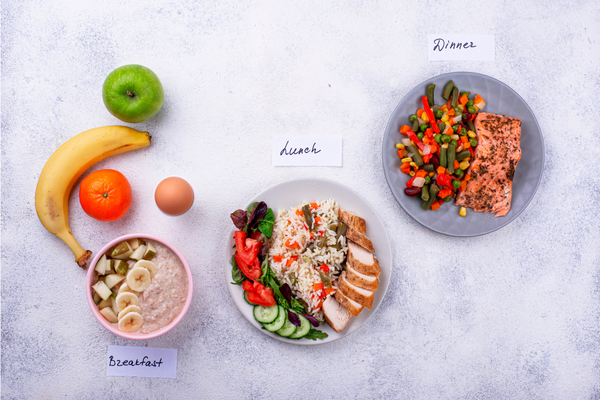
Example of a balanced meal:
- 100 g brown rice
- 120 g steamed fish or lean meat
- 150–200 g boiled vegetables or salad
Avoid eating carbohydrates on their own
When carbohydrates are consumed without protein and vegetables, blood sugar tends to rise more rapidly.
Examples:
- Avoid eating plain bread; choose whole-grain bread with eggs and green vegetables instead.
- Avoid eating only a bowl of white rice or a serving of noodles/pho on its own; instead, pair rice or noodles with meat, fish, and plenty of vegetables.
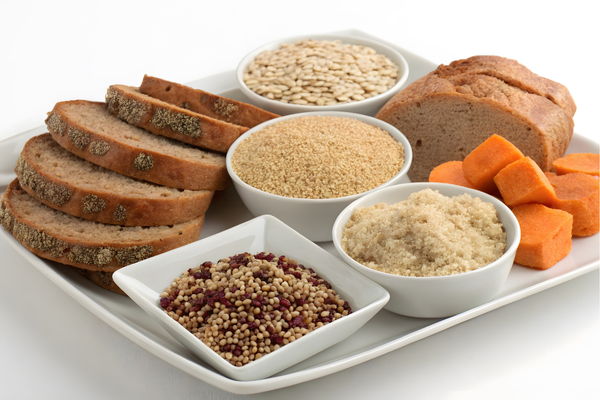
What food groups should be included in a diabetes-friendly meal plan?
A well-balanced meal plan for people with diabetes should include four key components: appropriate carbohydrates, protein, vegetables and fiber, fruits combined with healthy fats and seasonings.
1. Appropriate Carbohydrates (Controlled Intake)
Carbohydrates do not need to be completely eliminated, but it is important to choose options with a low to moderate glycemic index (GI) and consume them in appropriate portions.
Preferred carbohydrate choices:
- Brown rice (GI ≈ 50)
- Whole rolled oats (GI ≈ 55)
- Boiled sweet potatoes (GI ≈ 44)
- Whole-grain bread (GI ≈ 60, in moderate amounts)
Carbohydrates to limit:
- Sticky rice, glutinous rice dishes (high GI)
- White bread, pastries
- French fries
Each meal should include only one type of carbohydrate, in a moderate portion, and avoid combining multiple carb sources in the same meal.
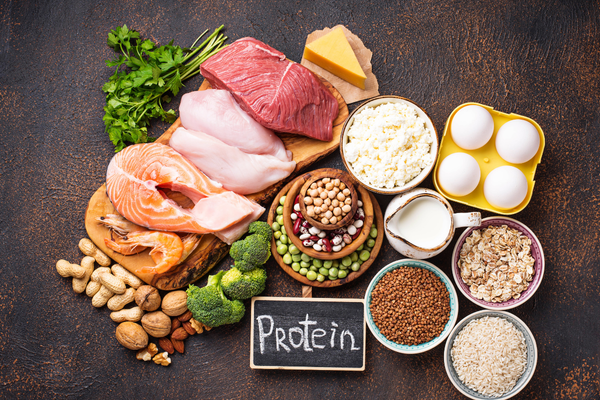
2. Protein Group
Protein helps promote satiety, slows glucose absorption, and reduces the feeling of hunger shortly after meals.
Suitable protein sources include:
- Steamed fish or lightly braised fish
- Chicken, lean pork, lean beef
- Eggs
- Tofu and legumes
Vegetables & Fiber Group (Should Make Up the Largest Portion of the Meal)
Vegetables help slow glucose absorption, increase satiety, and support healthy digestion.
Vegetables to eat regularly include:
- Leafy greens, broccoli, water spinach
- Cucumber, tomato, lettuce
- Bean sprouts, sponge gourd, winter melon
People with diabetes should aim for 150–300 g of vegetables per meal, prioritizing boiling, steaming, or light stir-frying with minimal oil.
Fruit Group (Select Carefully and Eat at the Right Time)
Fruit is still an important part of the diet, but it should be chosen carefully—favoring low- to medium-GI fruits, eaten in moderate portions, and not consumed in excess at one time.
Suitable fruit options:
- Apples, pears (GI ≈ 36–38)
- Oranges, grapefruit (low GI)
- Just-ripe bananas (medium GI, small portions)
Fruits to limit:
- Ripe jackfruit, durian
- Raisins and dried fruits
Fruit is best eaten after main meals or between meals, and should be avoided on an empty stomach.
Healthy Fats & Seasonings (Use in Small Amounts)
Healthy fats help make meals more nutritionally complete and do not raise blood sugar when used appropriately.
Examples include:
- Olive oil, sesame oil
- Nuts (in small portions)
- Unsweetened peanut butter
Avoid excessive use of fried oils or sweet sauces, as these can negatively affect blood sugar control.

Support Solutions for People with Diabetes When Life Gets Too Busy
In reality, people with diabetes do not always have enough time or the right conditions to prepare meals exactly according to a planned menu. On busy workdays, business trips, periods of fatigue, or when cooking is simply not convenient, maintaining a balanced, low-GI meal with sufficient fiber and protein becomes much more challenging.
This often leads to situations such as:
- Eating whatever is available just to get through the meal
- Eating out while struggling to control portions and ingredients
- Skipping meals or eating unbalanced meals, causing blood sugar fluctuations
Instead of allowing these “unavoidable” meals to disrupt blood sugar control, some people choose pre-designed nutritional meal replacements that help maintain a stable meal structure even during the busiest times.
Among the available options, Glucowell is developed as a meal replacement nutrition solution for people who need to manage blood glucose. The product is designed to help users maintain scientific eating principles even when they are unable to cook or follow a regular meal plan.
A diabetes-friendly meal plan does not need to be overly complicated or restrictive. The most important factors are understanding the right nutritional principles, choosing appropriate foods, controlling portions, and building balanced meals that are easy to sustain in daily life.
In practice, there will be days when you cannot prepare meals as planned and have to eat quickly or eat out. Glucowell meal replacement by ALTRIMUM is formulated with a low GI, balanced energy, and a combination of fiber and protein—making it suitable to support people with diabetes, prediabetes, and busy individuals in maintaining healthy eating habits every day.
You may explore Glucowell further to see whether this solution fits your personal needs and lifestyle.
