







Choosing milk for people with diabetes may seem simple, but in reality it often causes confusion. People with diabetes need a type of milk that provides energy, protein, and essential micronutrients without causing a rise in blood sugar after consumption. However, the market today offers a wide variety of options—unsweetened milk, low-sugar milk, diabetes-specific formulas, high-protein milk—leaving many unsure which option is truly suitable.
Join Altrium in exploring whether people with diabetes should drink milk, which types are appropriate, how to choose based on individual needs, and the key considerations to avoid post-consumption blood sugar spikes.
COMMON TYPES OF MILK AND THEIR SUITABILITY FOR PEOPLE WITH DIABETES
1. Unsweetened fresh milk
Unsweetened fresh milk is a popular choice when people look for milk suitable for diabetes, as many assume that “no added sugar” automatically means it is safe. However, unsweetened fresh milk still contains lactose—a natural sugar that can raise blood glucose levels, especially when consumed on an empty stomach. This explains why some people experience a rapid increase in blood sugar after drinking it without understanding the cause.
That said, unsweetened fresh milk can still be used if consumed at the right time and in appropriate amounts. Fresh milk provides protein, calcium, and vitamin D-key nutrients for bone health, muscle maintenance, and immune function, all of which are beneficial in diabetes nutrition.
To avoid blood sugar spikes, people with diabetes should:
- Avoid drinking milk on an empty stomach
- Consume it after a meal that includes protein or fiber
- Start with a small serving of 100–150 ml
- Do not add honey, sugar, or syrup
Unsweetened fresh milk is suitable for individuals with stable blood glucose who do not experience sharp post-meal spikes. However, for those who require strict blood sugar control or for older adults, choosing products specifically formulated for people with diabetes remains a safer and more optimal option.
2. Plant-based milk
Plant-based milks such as almond, walnut, macadamia, and soy milk are often chosen because they are perceived as low in sugar and “healthy.” In reality, many plant-based milks have a low glycemic index, are rich in healthy fats, and contain very little carbohydrate—making them suitable for people managing weight or blood glucose. However, not all plant-based milks are appropriate as milk for people with diabetes.
Benefits of plant-based milk:
- Low natural sugar → reduced risk of blood sugar spikes
- Rich in unsaturated fats that support heart health
- Easy to digest, suitable for older adults
The main drawback is their low protein content, which means they do not provide lasting satiety and are not nutritionally complete enough to serve as a snack or meal replacement. In addition, many commercially packaged plant-based milks contain added sugar, flavorings, or sweeteners that can raise blood sugar levels similarly to regular milk.
Therefore, when choosing plant-based milk for people with diabetes, it is important to:
- Select unsweetened varieties
- Avoid products with added sweeteners that can raise blood glucose
- Combine with a protein source when consuming (e.g., alongside eggs or unsweetened yogurt)
Plant-based milk is suitable as a light snack, but it cannot replace specialized nutrition products for diabetes that are developed through dedicated research.
3. Soy milk – Low GI, suitable for most people with diabetes
Soy milk is the most protein-rich plant-based milk and has a low glycemic index, making it highly suitable for people with diabetes or prediabetes. Soy protein helps promote satiety, slows glucose absorption, and supports better post-meal blood sugar control. For these reasons, soy milk is often recommended by nutrition experts as part of a healthy eating plan.
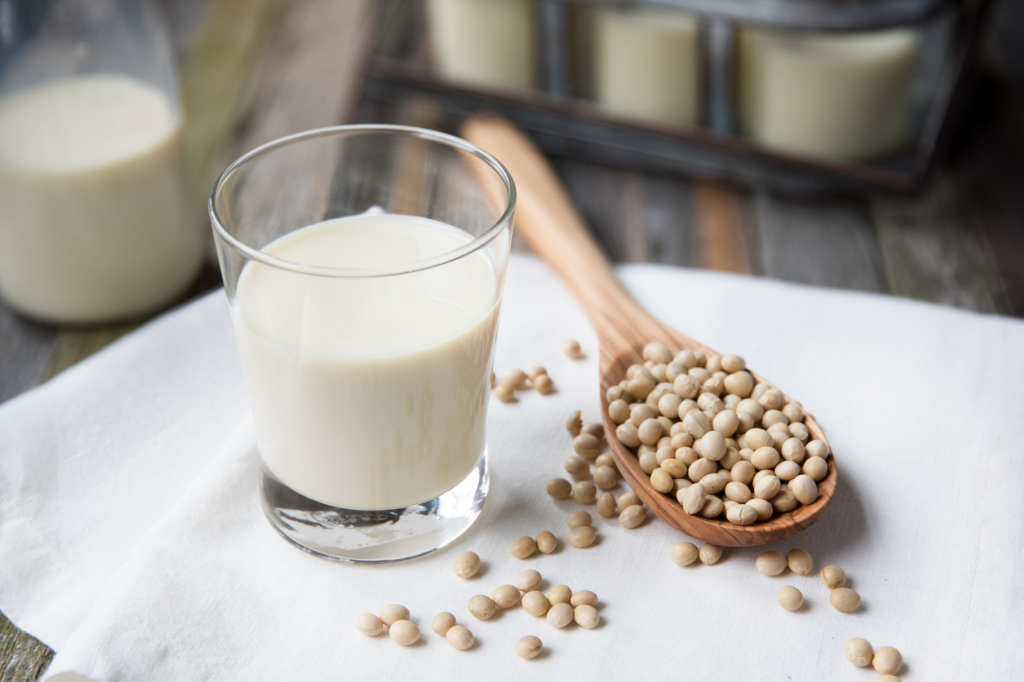
Benefits of soy milk:
- Rich in plant-based protein that supports heart health
- Low in saturated fat → helps reduce cardiovascular risk
- High in isoflavones → provides antioxidant benefits and supports hormonal balance
- Low glycemic index (GI) → safe for people with diabetes
However, not all soy milk products are suitable. Many commercial soy milks contain added sugar or flavorings that can cause rapid blood sugar spikes. People with diabetes should choose products that are:
- Unsweetened
- Low in carbohydrates
- Free from artificial sweeteners that may stimulate insulin spikes
Soy milk works well as a light breakfast or snack, but it still lacks fiber and is not sufficiently balanced to replace a main meal.
4. Diabetes-Specific Nutrition Milk
Diabetes-specific nutrition milk (medical nutrition formulas) is developed based on clinical research and designed to meet the needs of people with impaired glucose metabolism. This is the most optimal option for people with diabetes, prediabetes, overweight individuals, and older adults.
Key advantages:
- Low GI → does not cause blood sugar spikes after consumption
- Slow-absorbing carbohydrates → provide steady, sustained energy
- High protein content → promotes satiety for 3–4 hours and helps reduce cravings
- Soluble fiber → slows glucose absorption and supports digestion
- No refined sugar
- Balanced nutrition → suitable as a snack or meal replacement
Medical nutrition milk is also suitable for people who:
- Have limited time to prepare meals
- Experience poor appetite or irregular eating patterns
- Need weight management support
- Experience large post-meal blood sugar fluctuations
Thanks to its science-based formulation, this type of milk helps people manage blood glucose more effectively than regular milk or plant-based alternatives. This is why nutrition experts often prioritize diabetes-specific nutrition milk when designing meal plans.
Criteria for Choosing Milk for People with Diabetes
1. Low GI – the most important requirement
The most important criterion when choosing milk for people with diabetes is a low glycemic index (GI). Low-GI milk releases glucose slowly into the bloodstream, helping prevent sudden blood sugar spikes—one of the main causes of fatigue, excessive thirst, hunger, and long-term diabetes complications.
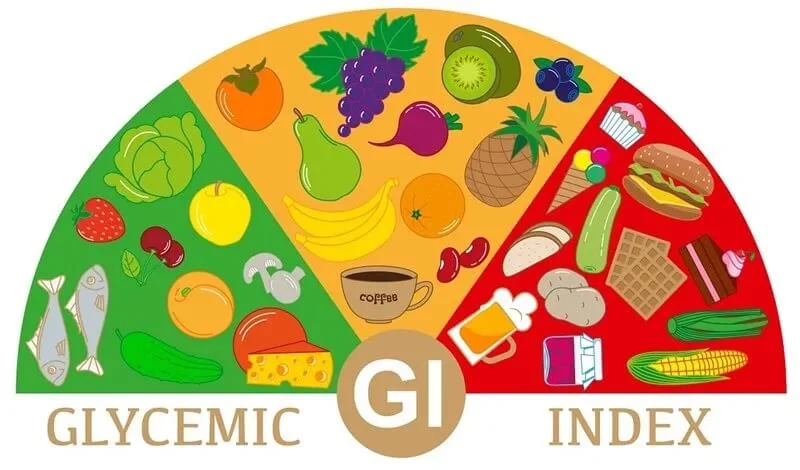
High-GI milk products – those high in sugar, rich in lactose, or containing maltodextrin – can cause blood glucose levels to rise much more sharply than medical-grade nutrition formulas. For this reason, people with diabetes should avoid products that are labeled “sugar-free” but still have a high glycemic index.
Low-GI milk formulas typically feature:
- Slow-absorbing carbohydrates
- Little or no refined sugar
- High protein content
- Soluble fiber
When these components are combined, glucose is released more gradually, helping people with diabetes maintain stable blood sugar levels for 3–4 hours.
2. High Protein Content – Stabilizes Blood Sugar and Promotes Satiety
Protein is a key foundation of any milk designed for people with diabetes. Higher protein levels slow carbohydrate absorption, reduce post-consumption blood sugar spikes, and extend the feeling of fullness. For individuals who are overweight or have prediabetes, this is especially beneficial for curbing snacking, preventing weight gain, and maintaining steady energy.
An appropriate milk for people with diabetes should provide approximately 10-20 g of protein per serving. Dual-phase protein (a combination of fast- and slow-absorbing proteins) helps deliver sustained energy, making it suitable for breakfast or an afternoon snack.
High-protein milk is also beneficial for:
- Older adults → helps prevent muscle loss
- Busy individuals → supports sustained energy throughout the day
- Those aiming for weight management → promotes longer-lasting satiety
The combination of protein, soluble fiber, and slow-absorbing carbohydrates represents the safest and most effective formula for people with diabetes.
3. Contains Soluble Fiber – Supports Post-Consumption Blood Sugar Control
Soluble fiber is included in diabetes-specific nutrition milk to slow carbohydrate absorption, thereby reducing post-meal blood glucose spikes. This is a critical component that regular milk or most plant-based milks typically lack.

Benefits of soluble fiber:
- Forms a gel in the gut → slows glucose absorption
- Helps lower cholesterol
- Reduces feelings of hunger
- Supports a healthy gut microbiota
- Helps maintain more stable blood sugar levels for longer
A good milk formula should contain 2–5 g of soluble fiber per serving.
Thanks to its slow-absorption mechanism, soluble fiber helps prevent the “sharp spike–rapid drop” pattern in blood sugar, allowing people with diabetes to maintain more stable energy levels throughout the day.
4. Low in unhealthy fats, with a focus on healthy fats
People with diabetes have a higher risk of cardiovascular disease, so choosing milk that is low in saturated fat and free from trans fats is essential. Unhealthy fats increase insulin resistance, raise blood lipid levels, and negatively affect heart health.
In contrast, healthy fats such as omega-3, DHA, MUFA, and PUFA help reduce inflammation, support cardiovascular health, and maintain insulin sensitivity. This is why many diabetes-specific milk formulas include beneficial fats as part of their formulation.
When reading nutrition labels, prioritize products that:
- Use high-quality plant oils
- Contain omega-3
- Are free from hydrogenated oils
- Are low in saturated fat
Milk that contains healthy fats is not only safe for people with diabetes but also supports weight management and overall metabolic health.
5. Medical-grade formula – safe and optimally effective
A medical-grade nutrition product (Medical Nutrition) ensures a carefully balanced nutrient profile that is safe for people with diabetes, prediabetes, or metabolic disorders. Medical-grade formulas tightly control carbohydrate quantity and quality, protein type, fiber, fats, as well as vitamins and minerals.
Benefits of medical-grade nutrition milk:
- Helps stabilize blood sugar
- Promotes long-lasting satiety
- Does not cause post-consumption glucose spikes
- Supports digestive health
- Suitable for daily use
Medical nutrition milk can also serve as a meal replacement for people who are busy, have poor appetite, or need weight control.
How Should People with Diabetes Drink Milk Without Raising Blood Sugar?
For people with diabetes, drinking milk safely depends not only on the type of milk, but also on timing, portion size, and food combinations. When consumed correctly, milk can provide nutritional benefits without causing post-meal blood sugar spikes.
First, avoid drinking milk on an empty stomach. When the stomach is empty, lactose or carbohydrates in milk are absorbed more rapidly, increasing the risk of sudden blood glucose spikes. The best time to drink milk is 30–60 minutes after a main meal or as a low-GI snack between meals.
Portion size is critical. People with diabetes should start with 150–200 ml per serving, monitor their blood glucose response, and adjust as needed. Drinking large amounts at once-even unsweetened milk-can still raise blood sugar levels.
If consumed on its own, milk should be paired with protein or fiber. For example, drink milk with nuts, a boiled egg, or choose diabetes-specific milk that already contains added protein and soluble fiber. This approach slows glucose absorption and helps maintain stable blood sugar for several hours.
Whenever possible, prioritize low-GI milk that contains no refined sugar, slow-absorbing carbohydrates, and is designed according to medical nutrition standards. This is the safest option for people with diabetes to consume milk daily without worrying about blood sugar spikes.

Who Should Prioritize Diabetes-Specific Milk?
Not everyone is required to use milk formulated specifically for people with diabetes. However, certain groups should prioritize these products to ensure long-term safety and effective blood sugar control.
First are people with type 2 diabetes and prediabetes. This group often experiences post-meal blood sugar spikes and reduced insulin sensitivity. Using diabetes-specific nutrition milk with a low GI, slow-absorbing carbohydrates, and high protein content helps reduce glucose fluctuations and supports better HbA1c control.
Second are older adults. Seniors often have reduced appetite, impaired nutrient absorption, muscle loss, and a higher risk of unstable blood sugar levels. Diabetes-specific milk provides balanced nutrition that is easy to digest and helps maintain steady energy without causing blood glucose spikes.
Third are people who are overweight, obese, or aiming for weight loss. Regular milk products can easily increase calorie intake and raise blood sugar levels. In contrast, medical nutrition milk rich in protein and fiber helps maintain satiety for 3–4 hours, reduces snacking, and supports weight management.
In addition, busy individuals who frequently skip meals or lack time to prepare food should also consider diabetes-specific milk as a safe snack or scientifically balanced meal replacement. With carefully researched formulations, this option offers a convenient and effective way to ensure adequate nutrition for people with diabetes.
Glucowell – A Balanced Nutrition Meal
When choosing milk or a nutrition meal for people with diabetes, the most important factor is maintaining stable blood sugar while still providing sufficient energy and essential nutrients. Glucowell is developed based on medical nutrition principles to support people with diabetes and prediabetes in maintaining stable glucose levels in daily life.
Glucowell is not simply a drinkable milk—it is a balanced nutrition meal, suitable as a low-GI breakfast, a diabetes-friendly snack, or a meal replacement when time is limited. Its formula is designed around the core principles of nutrition for diabetes management:
- Slow-absorbing carbohydrates to help limit post-meal blood sugar spikes
- High-quality protein to promote satiety for 3–4 hours and reduce sugar cravings
- Soluble fiber to slow glucose absorption
- Healthy fats to support cardiovascular health and improve insulin sensitivity
- No refined sugar, making it safe for blood sugar control
Thanks to this balanced formulation, Glucowell makes it easier for users to maintain a diabetes-friendly diet without the burden of meal preparation or concerns about post-consumption blood sugar increases. It is suitable for people with type 2 diabetes, prediabetes, older adults, individuals who are overweight, and those with busy lifestyles who lack time to cook regular meals.
Glucowell – A balanced nutrition meal that helps people with diabetes effectively control blood sugar and live healthily every day.
