





Nutrition is the “golden key” to blood sugar control for people with diabetes and prediabetes. A proper diet can help stabilize blood glucose levels, reduce the risk of complications, and improve daily quality of life. However, many patients still struggle with food choices, carbohydrate counting, or building a suitable meal plan.
In this article, Altrimum provides a comprehensive A–Z guide to nutrition for people with diabetes, based on scientific principles that are simple, practical, and easy to apply—helping you clearly understand what to eat, what to limit, how much to eat, and how to eat to control blood sugar naturally.
How Should People with Diabetes Eat? (The Golden Principles)
The most important rule of nutrition for people with diabetes is stabilizing post-meal blood sugar levels. This depends directly on food choices, meal timing, cooking methods, and how different nutrient groups are combined.
1. Smart Carbohydrate Control
Carbohydrates are the nutrient group that most strongly affects post-meal blood glucose. Managing the type, amount, and timing of carbohydrate intake helps maintain stable blood sugar without excessive restriction.
There are two main types of carbohydrates: fast-absorbing carbs and slow-absorbing carbs.
Fast-absorbing carbs – such as white sugar, soft drinks, white bread, rice noodles, pho, and white rice – cause blood sugar to spike within minutes, leading to large glucose fluctuations and increased insulin resistance. People with diabetes should minimize this group as much as possible.
Slow-absorbing carbs include whole grains, sweet potatoes, oats, legumes, and whole-grain bread. These are digested more slowly, allowing blood sugar to rise gradually and remain more stable, avoiding the “rapid spike–rapid drop” that leads to fatigue. This is the most suitable carbohydrate group for a diabetes-friendly diet.
An important guideline is to control carbohydrate intake per meal:
- Women: 30-45 g of carbs per meal
- Men: 45-60 g of carbs per meal
- Snacks: 10-15 g of carbs
Easy-to-visualize examples:
- ½ small sweet potato ≈ 15 g carbs
- 1 slice of whole-grain bread ≈ 15 g carbs
- 1 small apple ≈ 15 g carbs
Beyond quantity, how carbohydrates are combined also matters. When carbs are eaten together with protein (chicken, fish, eggs) or soluble fiber (green vegetables, oats, lentils), glucose absorption slows down, resulting in more stable post-meal blood sugar. For this reason, people with diabetes should avoid eating carbohydrates alone – for example, eating only fruit, only bread, or drinking fruit juice by itself.
2. Prioritize Low – Glycemic Index (GI) Foods
The glycemic index (GI) is a critical factor when choosing foods for people with diabetes. Low-GI foods cause blood sugar to rise more slowly and steadily, while high-GI foods can trigger sharp glucose spikes within minutes. Therefore, one of the core principles of diabetes nutrition is prioritizing low-GI foods at every meal.
GI categories:
- Low GI (≤ 55): Recommended for people with diabetes
- Medium GI (56–69): Limit intake
- High GI (≥ 70): Best avoided
Low-GI foods tend to be high in soluble fiber, rich in protein, or contain complex starch structures that are harder to break down. As a result, glucose is released into the bloodstream gradually rather than all at once. This reduces the burden on the pancreas, helps prevent post-meal blood sugar spikes, and supports weight management.ặng.
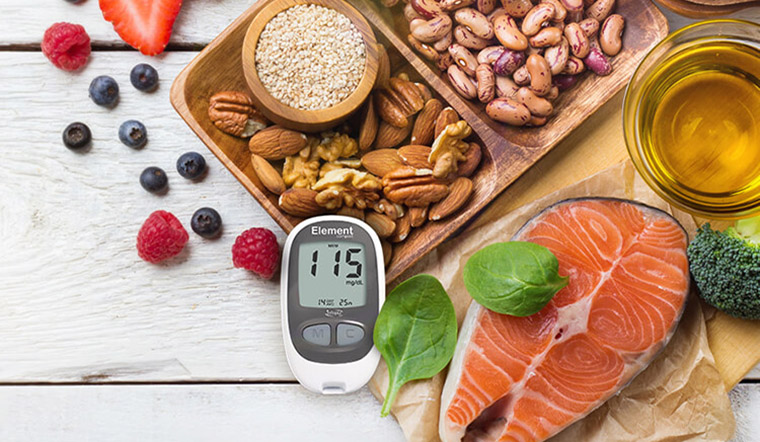
Examples of ideal low-GI foods:
- Oats
- Sweet potatoes
- Brown rice
- Lentils
- Apples, pears, grapefruit, kiwi
- Green vegetables (broccoli, spinach, kale)
In contrast, high-GI foods such as:
- White potatoes
- White rice
- White bread
- Fruit juices
- Ripe mango, durian
can cause sudden spikes in blood sugar and make glucose control more difficult.
However, GI is not the only factor to consider—cooking methods can significantly alter GI values. For example:
- Baked sweet potatoes have a higher GI than boiled sweet potatoes
- Rice noodles and pho tend to have higher GI due to highly refined starch
- Whole fruit is better than fruit juice (juice has a higher GI due to the loss of fiber)
In addition, combining low-GI foods with protein and healthy fats is an effective way to create meals that keep blood sugar stable for several hours.
3. Increase Soluble Fiber Intake – a “Natural Filter” for Blood Sugar Control
Soluble fiber is one of the most important nutrients for people with diabetes, yet it is often overlooked. Numerous studies in people with type 2 diabetes have shown that soluble fiber helps slow glucose absorption, improves post-meal blood sugar levels, and reduces HbA1c when consumed consistently..
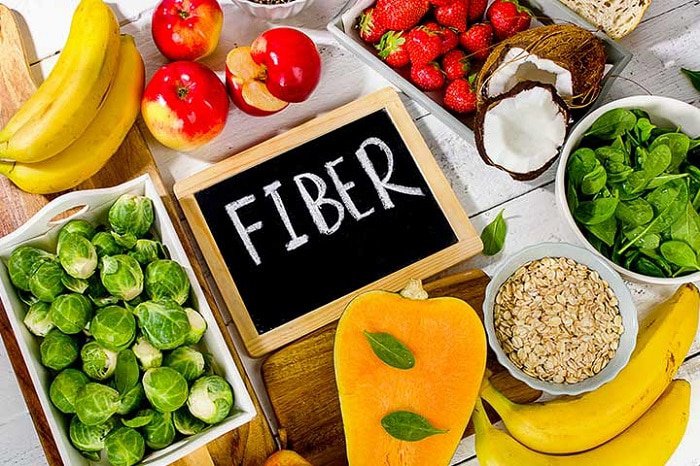
Soluble fiber has the ability to absorb water and form a gel-like substance in the small intestine. This gel acts as a “natural filter,” slowing the breakdown of carbohydrates and reducing the rate at which glucose enters the bloodstream. This is why foods rich in soluble fiber are strongly recommended in nutrition plans for people with diabetes.
Best sources of soluble fiber:
- Oats (beta-glucan)
- Lentils, mung beans, black beans
- Chia seeds, flaxseeds
- Fruits such as apples, pears, and oranges (eaten whole)
- Dark leafy green vegetables
Beyond stabilizing blood sugar, soluble fiber also helps:
- Increase satiety → reducing overeating
- Lower cholesterol absorption → supporting cardiovascular health
- Improve gut microbiota balance
For people with diabetes or prediabetes, the recommended fiber intake is 25-30 g per day, with at least 7-13 g coming from soluble fiber.
Easy ways to increase soluble fiber intake:
- Start the day with oatmeal or whole-grain bread
- Add chia seeds to yogurt or snacks
- Include green vegetables in both main meals
- Choose whole fruit instead of fruit juice
4. Choose Protein for Lasting Satiety and Blood Sugar Stability
Protein is essential in meals for people with diabetes because it helps maintain fullness, reduce sugar cravings, slow carbohydrate absorption, and support weight management. A diet rich in high-quality protein can help keep blood sugar levels stable for several hours, especially after main meals.n nặng. Một chế độ ăn giàu protein chất lượng tốt có thể giúp đường huyết ổn định hơn trong nhiều giờ, đặc biệt sau các bữa chính.
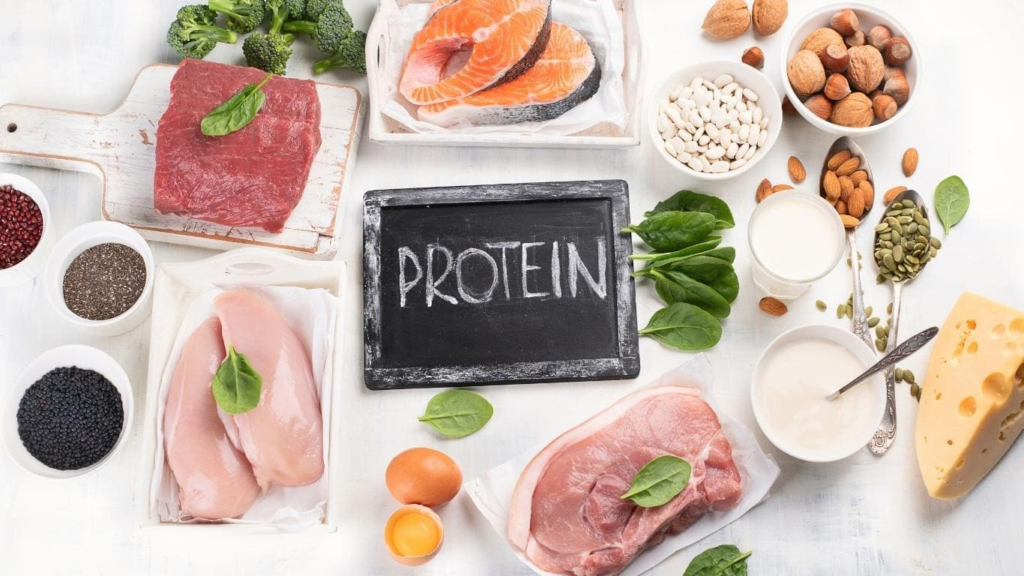
Protein also plays a key role in supporting muscle mass and maintaining healthy metabolism – factors that are especially important for people with diabetes, particularly older adults or those with reduced muscle mass.
Best protein sources for people with diabetes include:
- Fish (especially salmon, mackerel, and tuna, which are rich in omega-3)
- Lean meat (chicken breast, lean pork)
- Eggs
- Tofu, soy products, and legumes
- Medical nutrition formulas designed for people with diabetes
When protein is combined with carbohydrates and fiber, the rate at which glucose enters the bloodstream is significantly reduced. This is why, in diabetes nutrition, every meal should include at least one high-quality protein source.
Examples:
- Brown rice + chicken breast + vegetables stabilizes blood sugar far better than rice and vegetables alone.
- Fruit paired with unsweetened yogurt helps limit blood sugar spikes compared to eating fruit on its own.
Recommended protein intake:
- 15-25% of total daily energy intake
- Approximately 1.0–1.2 g of protein per kg of body weight, depending on individual needs (higher for physically active individuals or older adults)
For those who struggle to prepare meals or need convenient snacks, medical nutrition products containing easily absorbed protein and fiber are an ideal option—helping maintain satiety for 3–4 hours and effectively stabilize blood sugar levels.
5. Choose Healthy Fats to Reduce Insulin Resistance
Not all fats are harmful for people with diabetes. In fact, healthy fats (unsaturated fats) play an important role in reducing insulin resistance, supporting cardiovascular health, and providing sustained energy. When used appropriately, healthy fats help stabilize blood sugar, reduce post-meal glucose spikes, and prolong feelings of fullness.
There are two main types of healthy fats:
- Monounsaturated fats (MUFA): found in olive oil, avocados, cashews, and almonds
- Polyunsaturated fats (PUFA): found in omega-3 sources such as salmon, mackerel, flaxseeds, and chia seeds
These fats help improve insulin sensitivity—a core factor in blood sugar control, especially for people with type 2 diabetes. Diets rich in MUFA and PUFA have been shown in numerous studies to lower LDL cholesterol, reduce inflammation, and decrease the risk of cardiovascular disease—a common complication in people with diabetes. minh giúp giảm LDL, giảm viêm, giảm nguy cơ bệnh tim mạch – biến chứng phổ biến ở người tiểu đường.
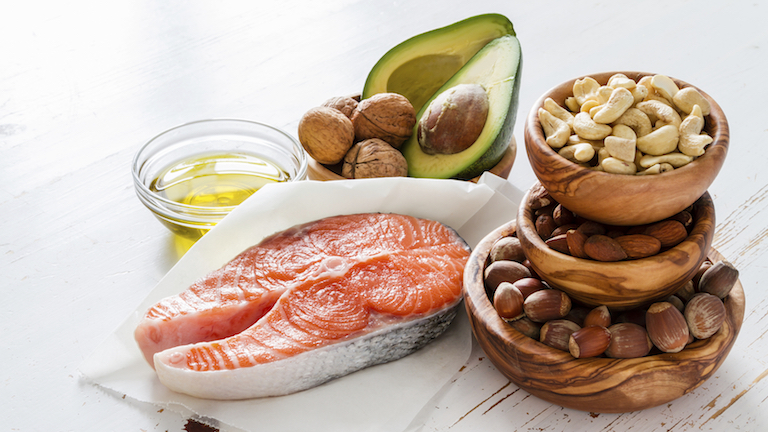
In contrast, unhealthy fats—including trans fats and saturated fats—can increase insulin resistance, promote inflammation, and negatively affect cardiovascular health. Fried foods, fast food, margarine, and animal fats should be limited as much as possible.
Examples of healthy fats to include daily:
- 1 tablespoon of olive oil
- ¼ of an avocado
- 10–15 g of walnuts or almonds
- Fatty fish 2–3 times per week
However, even healthy fats should be consumed in moderation, as fats are calorie-dense.
When healthy fats are combined with protein and slow-absorbing carbohydrates, they create meals that raise blood sugar very gradually, reduce sugar cravings, and support weight loss – an important factor for people who are overweight, obese, or have prediabetes.
What Should People with Diabetes Eat? (A Detailed Food List by Category)
1. Best Food Groups for People with Diabetes
Based on medical nutrition research:
✔ Slow-absorbing carbohydrates
- Oats
- Whole grains
- Sweet potatoes
- Rye or whole-grain bread
✔ Green vegetables – excellent sources of fiber
- Spinach
- Broccoli
- Asparagus
✔ Lean protein
- Fish (especially salmon and mackerel, rich in omega-3)
- Skinless chicken
- Tofu, soy products
✔ Low-GI fruits
- Apples
- Grapefruit
- Kiwi
- Pears
✔ Healthy fats
- Almonds
- Walnuts
- Extra virgin olive oil
What Should People with Diabetes Avoid? (Foods That Raise Blood Sugar)
1. Simple sugars and refined carbohydrates
- Cakes, sweets
- Soft drinks, milk tea
- White rice, rice noodles, pho
2. High-GI foods
- Potatoes
- White rice
- Ripe mango, durian
3. Unhealthy fats
- Fried foods
- Animal fats
- Margarine (trans fats)
4. Eating habits that negatively affect blood sugar
- Eating overly large meals
- Eating late at night
- Skipping breakfast
→ These habits can easily cause post-meal blood sugar spikes.
How to Build a Diabetes-Friendly Meal
Creating a proper meal for people with diabetes is not just about “eating less sugar” or “avoiding carbohydrates,” but about balance, scientific principles, and suitability to individual needs. A well-designed meal helps keep blood sugar stable for 3–4 hours, reduces hunger, improves energy levels, and lessens the burden on the pancreas. Below is a practical guide to help you build diabetes-friendly meals every day.
1. Apply the “Plate Method” – a Low-GI Meal Plate Model
The Plate Method is a simple yet effective way to create balanced meals for people with diabetes and their families. This method is recommended by the American Diabetes Association (ADA) because it helps control carbohydrate intake without complicated weighing or measuring.cả người bệnh và gia đình. Phương pháp này được Hiệp hội Đái tháo đường Hoa Kỳ (ADA) khuyến nghị vì giúp kiểm soát carbohydrate dễ dàng mà không cần cân đong phức tạp.
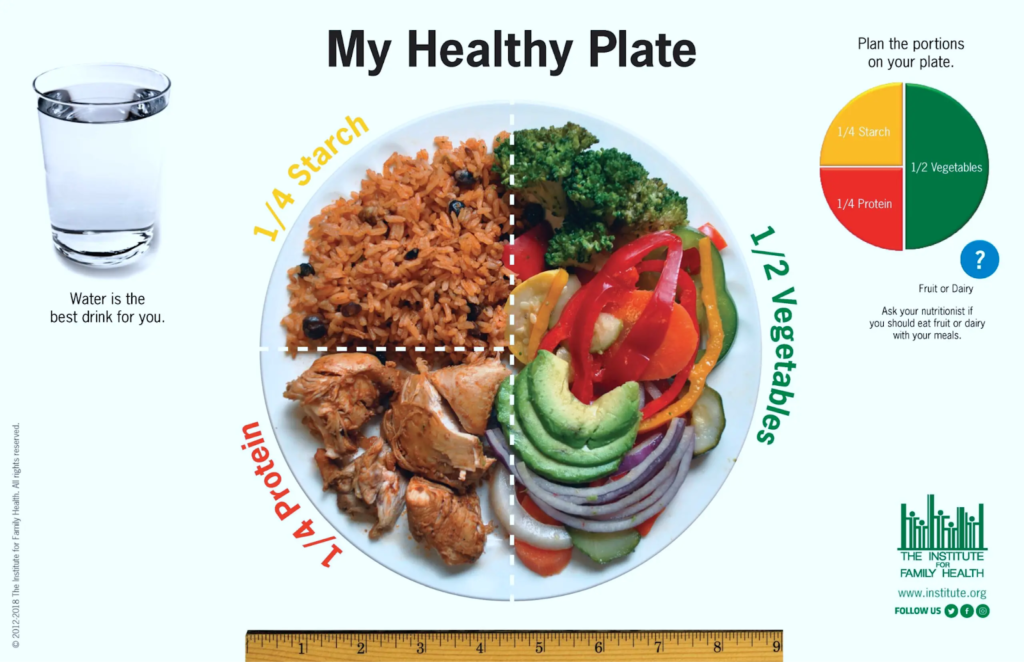
A balanced plate includes:
✔ ½ of the plate: Non-starchy vegetables
These foods are low in carbohydrates but rich in soluble fiber, which helps slow glucose absorption. Good options include broccoli, spinach, asparagus, lettuce, zucchini, and cauliflower.
✔ ¼ of the plate: Lean protein
Protein promotes satiety, stabilizes blood sugar, and supports muscle maintenance. Choose fish, skinless chicken, eggs, tofu, or legumes.
✔ ¼ of the plate: Healthy carbohydrates (slow-absorbing carbs)
Brown rice, sweet potatoes, oats, and whole grains. These carbohydrates have a low glycemic index and are high in fiber.
Dividing the plate according to these proportions makes it easier for people with diabetes to maintain a low-GI diet, prevent post-meal blood sugar spikes, and avoid the need to count every gram of carbohydrates.
Combining the Three Essential Nutrient Groups: Carbohydrates – Protein – Healthy Fats
A well-balanced meal should always include all three key nutrient groups to help stabilize blood sugar:
1. Slow-absorbing carbohydrates (safe primary energy source)
Examples: sweet potatoes, brown rice, whole-grain bread.
→ When combined with protein and healthy fats, glucose absorption slows down.
2. High-quality protein (promotes satiety and reduces sugar cravings)
Examples: salmon, chicken breast, eggs, tofu.
→ Protein reduces the impact of carbohydrates on blood glucose levels.
3. Healthy fats (support heart health and reduce insulin resistance)
Examples: olive oil, walnuts, chia seeds, avocado.
→ Healthy fats help maintain stable blood sugar levels for several hours.
Eating in a Low-GI Order – A Simple Way to Reduce Post-Meal Blood Sugar Spikes
Not only what you eat, but also the order in which you eat has a significant impact on post-meal blood sugar.
Recent studies show that the following eating sequence can reduce post-meal blood sugar spikes by 20-30%:
1. Eat vegetables first
Fiber entering the stomach first helps slow glucose absorption.
Examples: salads, steamed or boiled vegetables.
2. Eat protein next
Examples: fish, chicken, eggs.
3. Eat carbohydrates last
Examples: sweet potatoes, brown rice.
This eating order is suitable for all people with diabetes and prediabetes, especially those who experience postprandial blood glucose spikes.

Practical Examples of Diabetes-Friendly Meals
Low-GI Breakfast
- Oatmeal porridge + a boiled egg
- 1 kiwi or ½ an apple
→ Helps keep you full for 3–4 hours.
Balanced Lunch
- ½ plate of steamed vegetables or salad
- 1 portion of pan-seared salmon
- ¼ plate of brown rice or sweet potato
→ Supports stable blood sugar through the afternoon.
Light Dinner – Avoids Next-Morning Blood Sugar Spikes
- Vegetable soup
- Chicken, lean meat, or tofu
- A small portion of healthy carbohydrates
→ Avoid eating too late or overeating at dinner.
Important Tips When Following a Diabetes Diet
✔ Do not skip breakfast
✔ Avoid getting overly hungry between meals
✔ Choose simple cooking methods with minimal oil
✔ Add light activity for 10–15 minutes after meals
Proper nutrition is the most important foundation for long-term blood sugar control in people with diabetes and prediabetes. When you clearly understand what to eat, what to limit, how much carbohydrate to consume, and how to combine foods, you can build a healthy lifestyle, stabilize glucose naturally, and reduce the risk of serious complications.
In upcoming articles, you can explore these topics in more detail:
- What should people with diabetes eat?
- Low-GI foods
- A 7-day meal plan for people with diabetes
- Filling snacks that help stabilize blood sugar
These resources will help you complete a comprehensive daily nutrition strategy.
FAQ – Frequently Asked Questions
1. Can people with diabetes eat fruit?
Yes. Choose low-GI fruits such as apples, kiwi, grapefruit, and pears, and eat them after meals or paired with protein.
2. Do people with diabetes need to completely avoid carbohydrates?
No. Carbohydrates are an important energy source. Choose slow-absorbing carbs and adjust portions appropriately.
3. How many meals per day should people with diabetes eat?
Three main meals plus 1–2 snacks help stabilize blood sugar most effectively.
4. Are snacks really necessary?
Yes. Low-GI snacks help prevent sharp blood sugar spikes after main meals.
