




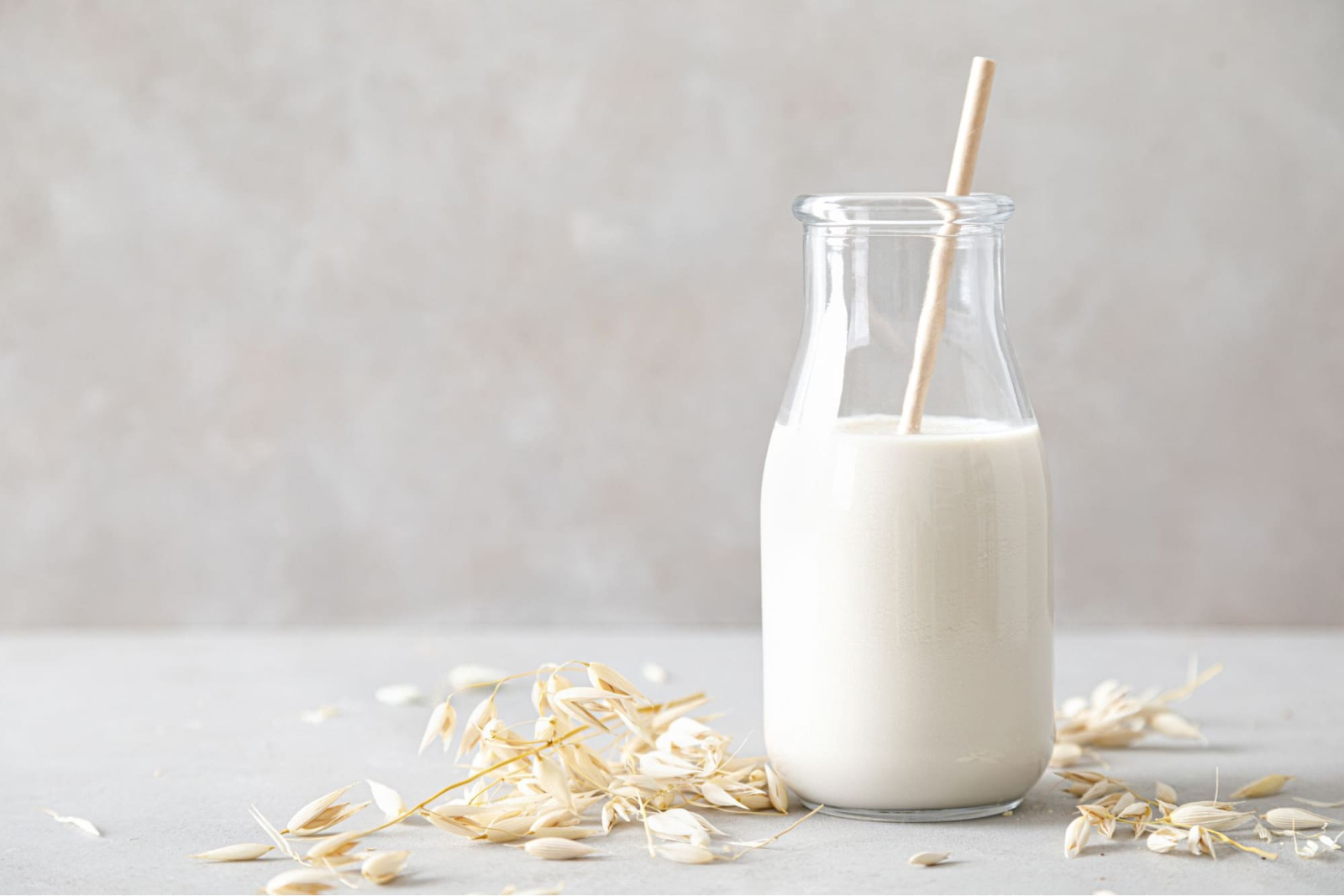



“How should you eat to live happily and healthily every day?” is a question many people ask, especially those in middle age and older adults. Eating habits do not only affect body weight—they play a decisive role in overall health, daily energy levels, and mental well-being. As we age, even small nutritional imbalances can lead to fatigue, chronic illnesses, and a decline in quality of life. In this article, Altrimum helps you understand practical, easy-to-apply healthy eating principles to maintain a joyful and healthy lifestyle every day.
Why Does Diet Determine Long-Term Health?
Diet directly affects physical health and disease risk
Our bodies are “nourished” every day by what we eat. When the diet is unbalanced—excessive in sugar, salt, or unhealthy fats, or lacking fiber and essential vitamins—the risk of chronic diseases such as cardiovascular conditions, diabetes, hypertension, and digestive disorders increases significantly. This is why healthy eating is considered the fundamental foundation of a happy and healthy lifestyle.

In middle-aged and older adults, metabolic rates slow down and the body’s ability to recover declines. As a result, an unsuitable diet can quickly reveal negative effects, leaving the body feeling fatigued, achy, and more vulnerable to illness.
Diet affects energy levels and mental well-being
Beyond physical health, eating habits strongly influence mental state and emotional balance. A balanced meal helps stabilize blood sugar levels and maintain steady energy, leading to clearer thinking, less irritability, and better sleep.
In contrast, consuming excessive sweets, refined carbohydrates, or skipping meals can cause fatigue, sluggishness, irritability, and a decline in quality of life. Therefore, if you want to live happily and healthily, science-based eating habits are essential.
Healthy Eating Principles for Living Happily and Healthily
Eat a diverse and balanced diet
The most important principle of healthy eating is food diversity. Each food group provides different nutrients, so it is important not to eat too restrictively or focus on only one group.
A balanced meal should include:
- Fresh vegetables and fruits
- High-quality protein (fish, eggs, legumes, lean meat)
- Healthy carbohydrates (brown rice, potatoes, whole grains)
- Healthy fats (plant-based oils, nuts, and seeds)
Eating a varied diet helps ensure adequate nutrient intake, reduces the risk of micronutrient deficiencies, and supports daily health and well-being.

Eat in moderation – avoid overeating
Overeating puts strain on the digestive system and can lead to bloating, indigestion, weight gain, and metabolic disturbances. For middle-aged and older adults in particular, overeating also increases the risk of acid reflux, high blood pressure, and blood sugar imbalances.
A good rule of thumb is to eat until you feel about 70–80% full, chew thoroughly, and eat slowly so the body has time to register satiety. This simple habit plays an important role in maintaining a happy, healthy lifestyle over the long term.
Eat on time – do not skip meals
Skipping meals, especially breakfast, can cause fatigue, metabolic disruption, and overeating at subsequent meals. Eating at regular times helps stabilize the body’s biological clock, supports digestion, and keeps energy levels steady throughout the day.
Those who aim to live happily and healthily should maintain three main meals a day, with the option of one or two light snacks if needed—particularly for older adults or people with chronic conditions.
Eating Habits to Avoid if You Want to Stay Healthy
Excessive consumption of processed foods
Processed foods are often high in salt, sugar, unhealthy fats, and additives, which can harm cardiovascular and digestive health. Regular consumption increases the risk of chronic diseases and negatively affects overall quality of life.
Overconsumption of sweets and sugary drinks
Refined sugar causes rapid spikes in blood glucose levels, leading to fatigue, weight gain, and increased cardiovascular risk. For middle-aged and older adults, these foods should be limited as much as possible to maintain daily health and vitality.

Avoid eating too late in the evening
Eating dinner too late forces the digestive system to work when the body should be resting, which can lead to bloating, poor sleep, and weight gain. Ideally, dinner should be finished at least 2–3 hours before bedtime to support a happy and healthy lifestyle.
How Should Middle-Aged and Older Adults Eat?
Prioritize easy-to-digest, nutrient-dense foods
As people enter middle age and older adulthood, digestive function and the body’s ability to absorb nutrients gradually decline. Therefore, healthy eating to live happily and healthily is not about eating more, but about choosing the right foods—those that are easy to digest and rich in nutritional value.
Middle-aged and older adults should prioritize:
- Soft-cooked vegetables (leafy greens, squash, carrots, broccoli) to provide fiber, vitamins, and digestive support
- Fish, eggs, legumes, and lean meat as high-quality, easily digestible protein sources that help maintain muscle mass
- Porridge, soups, and broths to allow gentle nutrient absorption and reduce strain on the stomach
In contrast, foods that are greasy, fried, overly spicy, or highly processed should be limited, as they can cause bloating, indigestion, and negatively affect cardiovascular health and blood pressure. Eating slowly, chewing thoroughly, and avoiding overeating are also essential principles for supporting efficient digestion and long-term well-being.
Divide meals to improve digestion and maintain stable energy
A highly beneficial dietary adjustment for middle-aged and older adults is dividing meals throughout the day. Instead of consuming large portions at main meals, meals can be spread across three main meals and one or two light snacks. This approach reduces pressure on the digestive system and helps maintain stable energy levels throughout the day.

Dividing meals throughout the day offers many benefits:
- Reduces bloating and indigestion after eating
- Prevents fatigue and sudden drops in energy
- Helps stabilize blood sugar levels, which is especially important for people with chronic conditions
- Supports healthy weight maintenance
Snacks should be light and wholesome, such as soft fruits, milk, yogurt, thin porridge, or a small handful of nuts. This eating pattern helps middle-aged and older adults stay healthy every day, maintaining both physical strength and mental well-being in daily life.
Suggested Eating Habits for Living Happily and Healthily Every Day
Living happily and healthily does not require drastic or restrictive dietary changes. By simply adjusting and consistently maintaining small but правиль eating habits, health can improve noticeably over time.
Start the day with a light but nutritious breakfast
Breakfast helps “wake up” the digestive system and provides energy for the day ahead. Middle-aged and older adults should choose easy-to-digest, nutrient-rich options such as porridge, soup, eggs, milk, whole-grain bread, or soft fruits. A healthy breakfast promotes mental alertness, reduces fatigue, and supports daily well-being.
Drink enough water throughout the day
Water plays a vital role in digestion, circulation, and detoxification. Many older adults drink too little water due to a reduced sense of thirst, which can lead to constipation, fatigue, and cardiovascular strain. Make it a habit to drink water regularly in small amounts throughout the day to support a healthy lifestyle.
Eat more vegetables at every meal
Vegetables provide essential fiber, vitamins, and minerals. Increasing vegetable intake improves digestion, helps control weight, and reduces the risk of chronic diseases. This is a simple yet highly effective habit for long-term health.
Gradually reduce fried foods and sweets
Rather than cutting them out completely, gradually reduce foods high in oil, refined sugar, and processed ingredients. A gradual approach makes it easier for the body to adapt and helps maintain sustainable healthy habits.
Eat slowly and chew thoroughly
Eating slowly allows the stomach to digest food more effectively, reduces bloating, and helps the body recognize fullness at the right time. This is a crucial habit for protecting digestive health and supporting healthy eating every day.
These small habits, when practiced consistently, form the foundation for living happily and healthily, with fewer illnesses and a higher quality of life over the long term.
Healthy eating is neither complicated nor out of reach. By understanding nutrition correctly and making gradual adjustments to daily habits, you can live happily and healthily every day—especially as you enter middle age and later life. Remember, good health does not come from major changes made in a single day, but from making the right dietary choices repeatedly, day after day.
