





Are you learning about the glycemic index (GI) so you can avoid overly restrictive dieting while still keeping your blood sugar stable?
This article from ALTRIMUM will help you clearly understand what the GI is and provide a reference table of common foods, giving you a practical basis for making smarter daily food choices.
What Is the Glycemic Index (GI)?
The glycemic index (GI) is a measure of how quickly a food raises blood glucose levels after it is eaten. Based on this index, foods are generally classified into three categories:
- Low GI: below 55
- Medium GI: 56–69
- High GI: 70 and above
Simply put, GI does not indicate how much sugar a food contains, but rather how quickly the body digests, absorbs, and converts that sugar into glucose in the bloodstream. Foods with a low GI are digested more slowly, helping to keep blood sugar levels more stable. These foods are commonly recommended for people with diabetes, prediabetes, those managing weight, or anyone aiming for a healthier diet.
Examples:
- White bread made from refined flour has a high GI, while whole-grain bread retains the bran and fiber, resulting in a lower GI.m này thường được khuyến nghị cho người tiểu đường, tiền tiểu đường, người đang kiểm soát cân nặng hoặc muốn ăn uống lành mạnh.
- White rice is digested quickly and causes blood sugar to rise rapidly, whereas oats-rich in fiber-are absorbed more slowly and therefore have a lower GI.
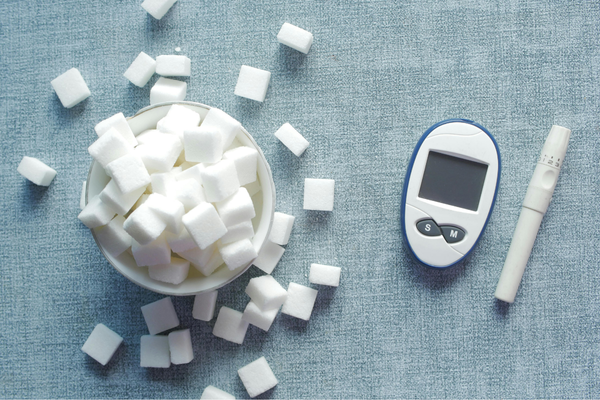
Classification of Foods by Glycemic Index (GI)
Based on how much they raise blood glucose after consumption, foods are measured on a GI scale of 100 and are typically classified into three groups: low GI (below 55), medium GI (56–69), and high GI (70 and above).
Low Glycemic Index Foods (GI below 50)
This group causes blood sugar to rise more slowly and steadily after eating. Low-GI foods are typically:
- High in fiber
- Low in refined carbohydrates
- Digested more slowly
As a result, they are often prioritized in blood sugar–control diets because they promote longer satiety, help prevent sudden glucose spikes, and reduce feelings of fatigue or drowsiness after meals.
Examples: whole rolled oats, brown rice, boiled sweet potatoes (with skin), bean sprouts, green vegetables (leafy greens, broccoli, water spinach), low-sugar fruits (apples, pears, grapefruit, oranges), green bananas or bananas that are not overly ripe.
Medium Glycemic Index Foods (GI 56–69)
These foods cause a moderate rise in blood sugar.
They can still be included in daily meals if eaten in appropriate portions and combined with vegetables, fiber, and protein to limit rapid increases in blood glucose.
Examples: white rice, rice noodles, pho, baked sweet potatoes, whole-grain bread, just-ripe bananas, papaya, pineapple.
High Glycemic Index Foods (GI above 70)
This group causes blood sugar to rise quickly and sharply after eating and should be limited-especially for people who need to control blood glucose levels.
Frequent consumption of high-GI foods can lead to sudden glucose spikes, quicker return of hunger, and post-meal fatigue.
Examples: white bread, glutinous rice, sticky rice dishes, French fries, sweets and candies, sugar-sweetened beverages, white sugar, refined cane sugar, ripe jackfruit
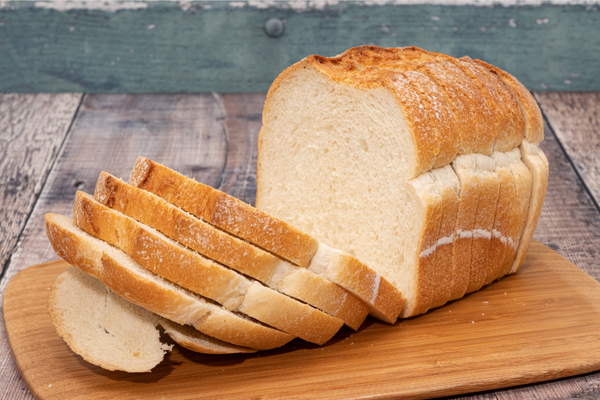
Table of glycemic index (GI) of common foods
Note: The GI values in this table are for reference only. It is recommended to consult a nutritionist or a medical specialist for personalized advice.
Table of foods with a low glycemic index (GI below 55)
| Food | GI Value |
| Mung bean sprouts | 15 |
| Whole-grain oats | 55 |
| Brown rice | 50 |
| Boiled sweet potato | 44 |
| 36 | |
| Green (unripe) banana | 42 |
Table of Medium Glycemic Index (GI) Foods (56-69)
| Food | GI |
| White rice | 64 |
| Rice noodles / Pho noodles | 60-65 |
| Whole-wheat bread | 60 |
| Ripe banana (moderately ripe) | 60 |
| Papaya | 60 |
| Brown sugar | 65 |
| Honey | 58-60 |
Table of High Glycemic Index (GI) Foods (≥ 70)
| Food | GI Value |
| White bread | 75 |
| Sticky rice / Glutinous rice | 85 |
| French fries | 75 |
| Ripe jackfruit | 75 |
| White sugar | 100 |
| Sugar-sweetened soft drinks | 90-100 |
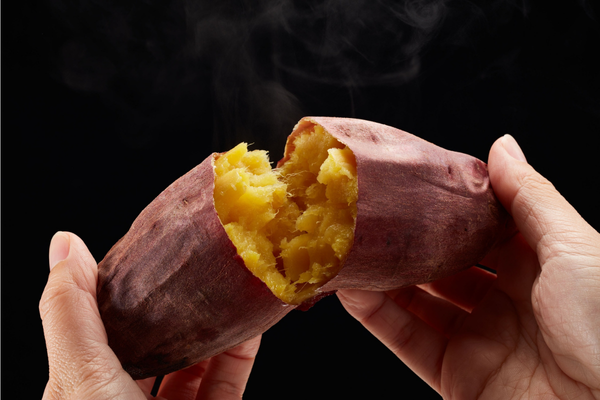
Factors That Affect the Glycemic Index (GI) of Foods
1. Fiber content
Dietary fiber slows down digestion and the absorption of glucose into the bloodstream. Therefore, foods rich in fiber generally have a lower GI.
Examples:
Whole grains, vegetables, legumes
2. Degree of food processing
The more a food is refined, ground, or highly processed, the easier it is for the body to absorb glucose, resulting in a higher GI.
Examples:
Brown rice has a lower GI than white rice; whole grains raise blood sugar more slowly than refined flour.
3. Cooking method and cooking time
Boiling and steaming tend to preserve a lower GI, while frying, baking, or overcooking foods can increase their GI.
Example:
Boiled sweet potatoes have a lower GI than fried sweet potatoes.
4. Combination with protein and fat in a meal
When carbohydrates are eaten together with protein and fat, glucose absorption slows down, helping stabilize blood sugar levels.
Example:
Eating rice together with meat, fish, and vegetables lowers the overall glycemic impact of the meal, whereas eating carbohydrates alone causes blood sugar to rise more rapidly.
Why Is It Important to Consider the Glycemic Index (GI) When Choosing Foods?
For certain population groups, post-meal blood glucose levels fluctuate more easily. This makes the glycemic index (GI) an important factor when selecting everyday foods.
For people with diabetes or prediabetes
If high-GI foods are consumed frequently, individuals may experience:
- Sharp spikes in blood sugar after meals
- Rapid fatigue and low energy
- Difficulty maintaining long-term blood glucose control
Therefore, this group should prioritize low-GI foods, which help blood sugar rise more slowly and remain more stable after eating.
For older adults
In older adults, consuming high-GI foods often leads to:
- Rapid increases in blood glucose after meals
- Feelings of drowsiness and fatigue
- Quick return of hunger, increasing the risk of uncontrolled snacking
As we age, metabolic processes slow down and insulin sensitivity gradually decreases, making blood sugar levels more likely to rise and harder to stabilize compared to younger individuals.
For middle-aged men
Men entering middle age often face:
- Increased visceral fat accumulation
- Loss of muscle mass
- Higher risk of metabolic disorders
High-GI foods can cause rapid blood sugar spikes, promote fat storage, and lead to quicker hunger, resulting in higher overall food intake than necessary.
Low-GI, Balanced Meal Solutions for Busy Lifestyles
In reality, not everyone has the time to calculate the glycemic index of each food, adjust portion sizes, or carefully combine fiber, protein, and micronutrients in every meal. For busy individuals, older adults, or those who need to control blood sugar, maintaining a consistently low-GI diet on a daily basis can be challenging.
As a result, many people turn to pre-designed nutritional meal solutions. One example is Glucowell, a low-GI meal replacement designed to support:
- People with diabetes or prediabetes who need stable post-meal blood sugar control
- Older adults with reduced metabolic capacity
- Busy individuals who want a scientific, balanced diet without complexity
In summary, the glycemic index (GI) is a measure of how quickly or slowly a food raises blood glucose levels after eating. However, GI should not be applied mechanically. It must be considered within the context of a balanced meal and an individual’s metabolic capacity.
If you are looking for a simple and practical way to manage daily blood sugar levels, you may consider low-GI meals that are scientifically formulated and ready to use, such as Glucowell.
Q&A – Frequently Asked Questions About the Glycemic Index (GI)
Is the glycemic index the same as the sugar content of food?
No. The glycemic index does not indicate how much sugar a food contains; it describes how quickly that sugar is absorbed into the bloodstream after eating.
Some foods are not very sweet but have a high GI, causing blood sugar to rise rapidly—for example, white bread.
Conversely, some naturally sweet foods have a lower GI due to their fiber content or slower digestion—for example, apples and pears.
Which foods have a low glycemic index?
Foods with a low GI (below 55) include:
- Green vegetables
- Bean sprouts
- Whole-grain oats
- Brown rice
- Boiled sweet potatoes
- Legumes
- Low-sugar fruits
When these foods are combined with protein and healthy fats, their blood sugar–stabilizing effect becomes even more pronounced.
Is a lower GI always better?
Not necessarily. A meal made up only of low-GI foods but lacking protein, sufficient energy, or essential micronutrients can still lead to fatigue and early hunger.
Therefore, GI should be used as a reference tool, not followed rigidly. It should always be considered within the framework of a balanced, complete meal.
What is GL, and why should GI and GL be considered together?
GL (Glycemic Load) reflects the real-life impact of a portion of food on blood sugar, taking into account both the GI and the amount consumed.
Simply put:
- GI shows how fast glucose enters the bloodstream
- GL shows the overall blood sugar impact of a serving
That is why evaluating both GI and GL together provides a more practical and accurate picture than looking at GI alone.
How is the glycemic index determined?
GI is measured under controlled research conditions by comparing the blood glucose response after consuming a specific amount of a test food with the response after consuming a standard reference food (assigned a GI value of 100).
In daily life, individuals do not need to calculate GI themselves. Instead, they can rely on reputable GI tables and focus on food preparation methods, portion control, and balanced food combinations to manage blood sugar effectively.
